Discover the Benefits of Reformer Pilates for Rehabilitation

Reformer Pilates is gaining traction as a powerful tool for rehabilitation. With its unique blend of strength training and flexibility exercises, it offers a low-impact approach that can be tailored to individual needs. Whether recovering from an injury or managing chronic pain, many are discovering how Reformer Pilates can support their journey to recovery.
What is Reformer Pilates?
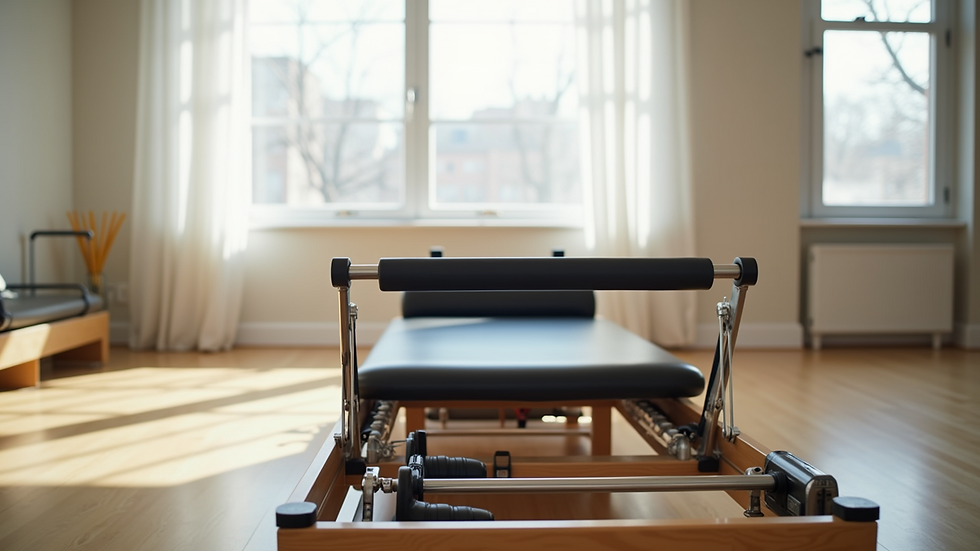
Reformer Pilates is a form of exercise that utilizes a specialized machine called a reformer. This machine consists of a sliding carriage, springs, and straps, allowing for a wide range of movements. Unlike traditional Pilates, which often relies on mat work, the reformer provides resistance and support, making it accessible for individuals at various fitness levels.
Key Features of Reformer Pilates
Adjustable Resistance: The reformer allows users to adjust the resistance levels, making it suitable for both beginners and advanced practitioners.
Full-Body Engagement: Exercises on the reformer engage multiple muscle groups, promoting overall strength and stability.
Low Impact: The supportive nature of the reformer minimizes stress on the joints, making it ideal for rehabilitation.
How Reformer Pilates Aids Rehabilitation
Reformer Pilates can be particularly beneficial for those recovering from injuries or surgeries. Here are some of the ways it supports rehabilitation:
1. Improved Strength and Flexibility
Reformer Pilates focuses on building core strength and flexibility, both of which are crucial for recovery. By engaging the core muscles, individuals can stabilize their bodies, reducing the risk of further injury.
2. Enhanced Body Awareness
Practicing on the reformer encourages individuals to develop a better understanding of their bodies. This heightened body awareness can lead to improved posture and movement patterns, which are essential for rehabilitation.
3. Customized Workouts
One of the standout features of Reformer Pilates is its adaptability. Instructors can modify exercises to suit individual needs, ensuring that each session is tailored to the specific rehabilitation goals of the participant.
4. Pain Management
Many individuals find that Reformer Pilates helps alleviate pain associated with injuries or chronic conditions. The gentle movements promote blood flow and can aid in the healing process.
5. Psychological Benefits
Engaging in physical activity, especially in a supportive environment, can boost mood and reduce anxiety. Reformer Pilates fosters a sense of community, which can be incredibly beneficial for those on a rehabilitation journey.
Specific Conditions Benefited by Reformer Pilates
Reformer Pilates is effective for a variety of conditions. Here are some examples:
Back Pain
Many individuals suffering from back pain find relief through Reformer Pilates. The focus on core strength helps support the spine, reducing discomfort and improving mobility.
Post-Surgery Recovery
After surgeries, particularly orthopedic procedures, Reformer Pilates can aid in regaining strength and flexibility. The low-impact nature of the exercises allows for a gradual return to physical activity.
Sports Injuries
Athletes often turn to Reformer Pilates to recover from sports-related injuries. The targeted exercises can help rebuild strength and prevent future injuries.
Chronic Pain Conditions
Conditions such as fibromyalgia or arthritis can benefit from the gentle movements of Reformer Pilates. The focus on controlled movements can help manage pain levels and improve overall function.
Getting Started with Reformer Pilates
If you're considering Reformer Pilates for rehabilitation, here are some steps to get started:
1. Consult with a Healthcare Professional
Before beginning any new exercise program, it's essential to consult with a healthcare provider, especially if you're recovering from an injury or surgery.
2. Find a Qualified Instructor
Look for a certified Pilates instructor with experience in rehabilitation. They can guide you through the exercises and ensure you're using the reformer safely and effectively.
3. Start Slowly
Begin with basic exercises and gradually increase the intensity as your strength and confidence grow. Listen to your body and communicate any discomfort to your instructor.
4. Set Realistic Goals
Establish clear, achievable goals for your rehabilitation journey. This could include improving flexibility, reducing pain, or regaining strength.
5. Stay Consistent
Consistency is key in any rehabilitation program. Aim for regular sessions to maximize the benefits of Reformer Pilates.
Conclusion
Reformer Pilates offers a unique and effective approach to rehabilitation. Its focus on strength, flexibility, and body awareness makes it an excellent choice for individuals recovering from injuries or managing chronic pain. By working with a qualified instructor and committing to a consistent practice, you can harness the benefits of Reformer Pilates to support your recovery journey.
Whether you're just starting or looking to enhance your rehabilitation efforts, consider incorporating Reformer Pilates into your routine. Your body will thank you for it!


Comments